04 – Alpes-de-Haute-Provence

04 – Alpes-de-Haute-Provence

Alpes-de-Haute-Provence spans a broad ecological gradient from Mediterranean foothills to high alpine valleys. This diversity supports a rich assemblage of wildlife, including alpine mammals, breeding raptors, amphibians of upland wetlands and a flora shaped by altitude, geology and climate. Extensive protected areas and low population density make the department a stronghold for intact mountain ecosystems.
Wild Places

These are listed by order of importance, National, Regional Parks, Reserves and local hotspots that should be of interest to all nature lovers, whether serious listers or casual observers. Areas waiting to be discovered are:

Wild Places

These are listed by order of importance, National, Regional Parks, Reserves and local hotspots that should be of interest to all nature lovers, whether serious listers or casual observers.

waiting to be discovered are:

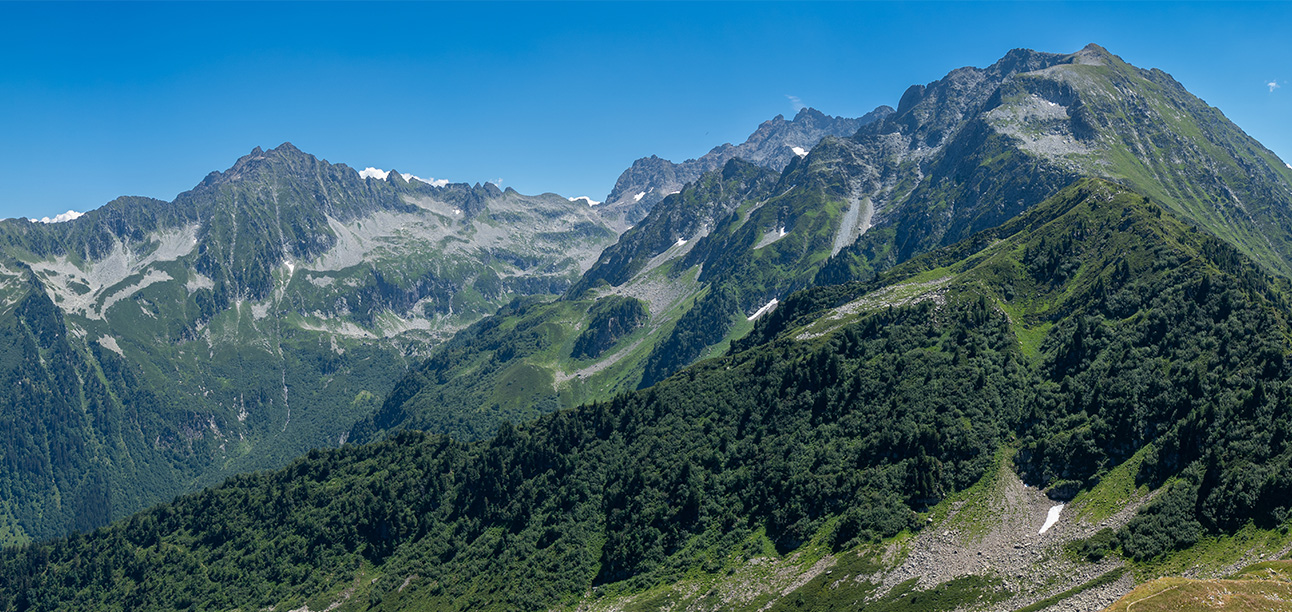
mercantour national park

Mercantour National Park

Flora:  Over 2 000 plant species, with 200 rare & 30 endemic. Fauna:  78 species of mammals including 6 wild ungulates, a prey source for the park’s apex predator, the grey wolf.  Plus 199 bird species.

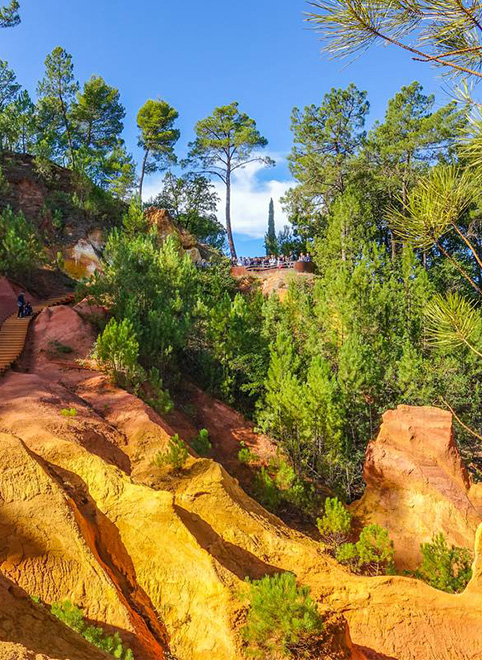
The Luberon Regional Park

The Luberon has exceptional biodiversity: 1,800 species of plants (35% of French flora) including 70 protected by statute, 135 species of birds (50%), 2,300 species of butterflies and moths (40%).
The Luberon has exceptional biodiversity: 1,800 species of plants (35% of French flora) including 70 protected by statute, 135 species of birds (50%), 2,300 species of butterflies and moths (40%).

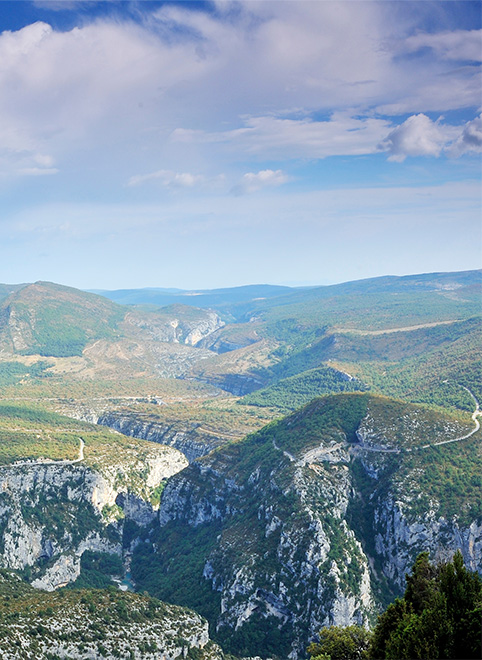
Verdon Regional Park

Europe’s grand canyon is a much more than a tagged image on social media

Europe’s grand canyon is a much more than a tagged image on social media

Additional Wildlife Hotspots

Additional Wildlife Hotspots

These sites fall outside formal protected area boundaries but are widely recognised for their ecological significance.

One of the largest open plateau systems in Provence, characterised by dry farmland, fallow fields and remnant steppe vegetation.

Why this site matters:
The scale, openness and continuity of land use support steppe-associated fauna and flora now rare elsewhere in southern France.

Key species:
Montagu’s Harrier, Black-headed Bunting, Provençal Short-tailed Blue

Broad river corridor with gravel banks, seasonal wetlands, riparian woodland and surrounding agricultural mosaics.

Why this site matters:
A major north–south ecological corridor linking Alpine and Mediterranean systems, critical for dispersal and range connectivity.

Key species:
European Pond Turtle, Little Ringed Plover, Red-backed Shrike

Alpine river valley with braided sections, dry slopes, cliffs and traditional farmland extending south of Digne-les-Bains.

Why this site matters:
Acts as a transitional axis between Alpine and Provençal faunas, supporting species near their regional ecological limits.

Key species:
Rock Sparrow, Ortolan Bunting, Western Green Lizard

Deep limestone gorge system with cliffs, scree, mixed woodland and strong microclimatic variation.

Why this site matters:
High habitat diversity over short distances creates refuges for cliff-dependent and cold-tolerant species at relatively low altitude.

Key species:
Golden Eagle, Wallcreeper, Alpine Chamois

A major mountain ridge forming a clear biogeographical transition between Mediterranean and Alpine zones.

Why this site matters:
Exceptional turnover of species with altitude and exposure, making the area a key reference for climate-driven distribution limits.

Key species:
Rock Partridge, Black Grouse, Apollo

Dry hills, cliffs and river margins at the junction of Alpine and Provençal landscapes.

Why this site matters:
Several species occur close to their southern or altitudinal limits, making the area sensitive to environmental change.

Key species:
Blue Rock Thrush, Crag Martin, Alpine Ibex

Large artificial lakes within the Durance system, bordered by open slopes, scrub and limited wetland margins.

Why this site matters:
These reservoirs create one of the most significant standing-water habitats in the department, acting as seasonal refuges and stopover sites within an otherwise fast-flowing river corridor.

Key species:
Red-crested Pochard, Osprey, Alpine Swift

Best Times to Visit

Spring (April–June)
Peak season across the department. Breeding steppe and open-country birds are established, alpine species descend to accessible elevations and botanical diversity is at its best.

Early summer (late June–July)
High-altitude areas such as Montagne de Lure and upper valleys remain productive, with Alpine specialists active and good visibility on dry slopes and ridgelines.

Autumn (September–October)
A quieter period favouring raptors, late migrants and mammals. River valleys and open plateaux are often rewarding with reduced disturbance.

Winter (December–February)
Limited but worthwhile at lower elevations, particularly along the Durance and in open valleys. Snow restricts access at altitude but can concentrate species locally.

Field Notes & Responsible Practice

Field Notes & Responsible Practice

Much of the department consists of open farmland, river valleys and mountain terrain with limited formal access infrastructure. Tracks and paths are often unmarked and navigation and situational awareness are essential.

Summer temperatures can be extreme on plateaux and exposed slopes, making water and sun protection critical. In winter, access at altitude may be restricted by snow and ice.

Early morning and late afternoon generally offer the best light and activity levels, particularly on plateaux and valley slopes. Long-range observation is often more productive than close approach due to open terrain. Heat haze can be limiting in summer, while winter snow cover can simplify mammal tracking but complicate access.

Avoid disturbance, particularly during the breeding season on open plateaux, river gravel banks and cliff systems. Do not approach nesting birds, den sites or basking reptiles.

Stick to existing tracks where possible to limit erosion and habitat damage and respect agricultural activity and private land; many key areas are working landscapes.

Contribute records to recognised platforms where appropriate, but consider withholding precise locations for vulnerable species. Observations from under-recorded valleys and transition zones are particularly valuable when responsibly submitted.